
African Grey Parrot For Sale Care & Buying Guide: Everything I’ve Learned After Years of Raising These Incredible Birds (2026)
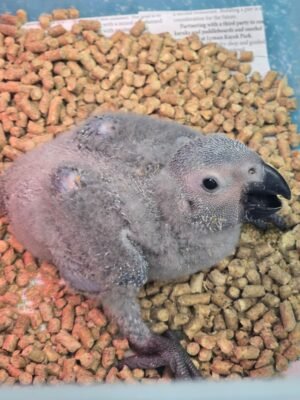
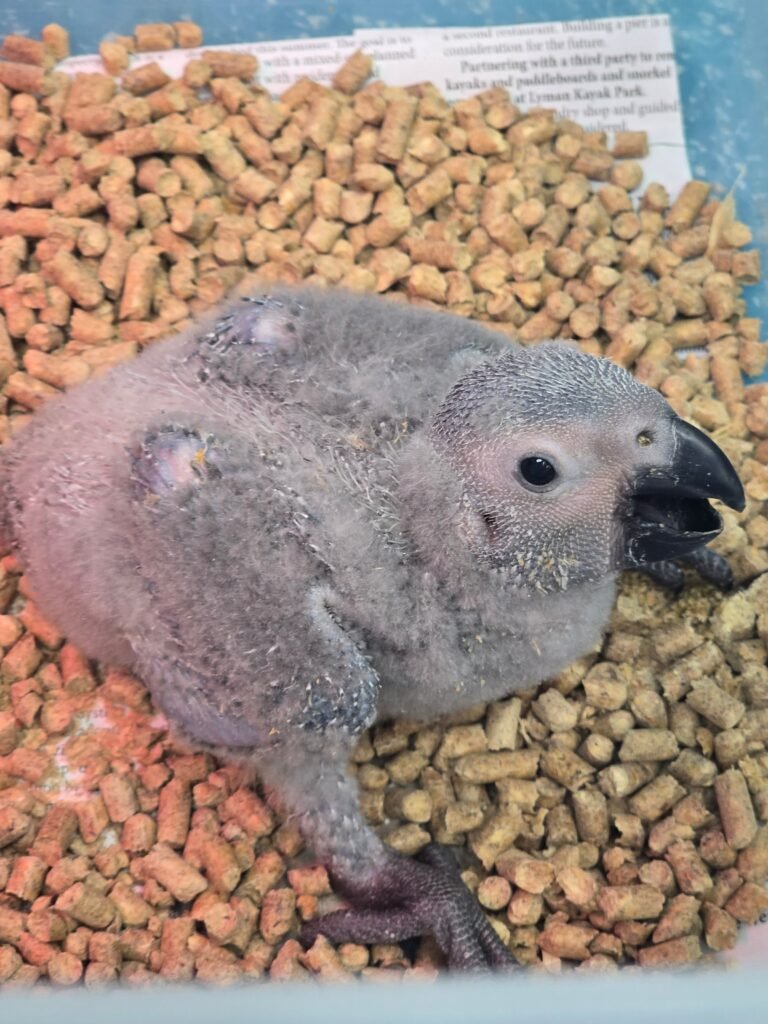
I still remember the exact moment I brought home my first African grey parrot. She was a Congo grey, about 14 weeks old, still sporting a few baby feathers, and she looked up at me from her travel carrier with the most intelligent, unnervingly perceptive eyes I’d ever seen on an animal. I’d raised cockatiels and lovebirds for years and thought I knew parrots. I was wrong. Within a week, that bird had learned to mimic the microwave beep perfectly enough to make me get up and check it three times in one evening. Within a month, she was calling the dog by name and laughing exactly like my wife. Within a year, she had become the center of our household—and the most demanding, messy, emotionally complex creature I’d ever shared my life with.
Since then, I’ve raised multiple generations of African greys, both Congo and Timneh, and I’ve helped place them into homes across the country. I’ve also taken in more rescued greys than I care to count—birds that were surrendered because their owners couldn’t handle the noise, the mess, the biting, the decades-long commitment, or the sheer emotional bandwidth these parrots demand. I’ve seen too many people buy an African grey parrot for sale on a whim, enchanted by YouTube videos of talking birds, without realizing they were signing up for a toddler with feathers who will outlive the family dog three times over.
This guide is my attempt to give you the full picture. Not just how to care for an African grey parrot, but how to decide if you truly should—and if you do decide to bring one home, how to find a healthy, well-socialized bird from a source you can trust. I’m going to be honest, sometimes painfully so, because a bad match between a grey and a human is a tragedy I’ve witnessed far too often.
Quick Facts / Snapshot
| Category | Detail |
|---|---|
| Scientific name | Psittacus erithacus (Congo), Psittacus timneh (Timneh) |
| Common names | African grey parrot, Congo African grey, Timneh African grey |
| Adult size | 12–14 inches from beak to tail |
| Adult weight | 400–650 grams (Congo usually larger, Timneh smaller) |
| Lifespan | 40–60+ years in captivity; some exceed 70 |
| Talking ability | Exceptional; arguably the best avian mimics in the world |
| Diet | High-quality pellets, fresh vegetables, limited fruit, occasional seeds/nuts |
| Cage minimum | 36″ wide × 24″ deep × 48″ tall (larger strongly recommended) |
| Difficulty level | Advanced; requires significant time, attention, and financial commitment |
| Noise level | Moderate to high; not apartment-friendly |
| Price range (2026) | $2,000–$5,000+ from a reputable breeder; rescue adoption $500–$1,200 |
If those numbers feel steep, they should. An African grey parrot isn’t a casual purchase—it’s a lifelong relationship with one of the most intelligent animals on the planet.
What Is an African Grey Parrot?
The African grey parrot is native to the equatorial forests of West and Central Africa, where it lives in complex social flocks and spends its days foraging, flying long distances, and maintaining intricate social bonds. In the wild, these birds are constantly problem-solving—cracking open tough seed pods, navigating vast territories, and communicating with flock members across miles of forest. When you bring one into your home, all that intelligence, all that drive, comes with it.
I’ve kept a lot of parrot species over the years, and nothing quite compares to the cognitive horsepower of a grey. They don’t just mimic sounds; they seem to understand context. I’ve had a grey ask for an apple, and when offered a carrot instead, drop the carrot and repeat “apple” more insistently. That’s not just parroting (no pun intended)—that’s associative learning at a level that rivals a young child. And it’s exactly why they’re so incredibly rewarding, and so incredibly demanding.
There are two recognized types of African grey parrot:
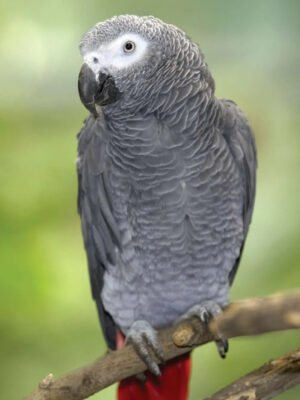
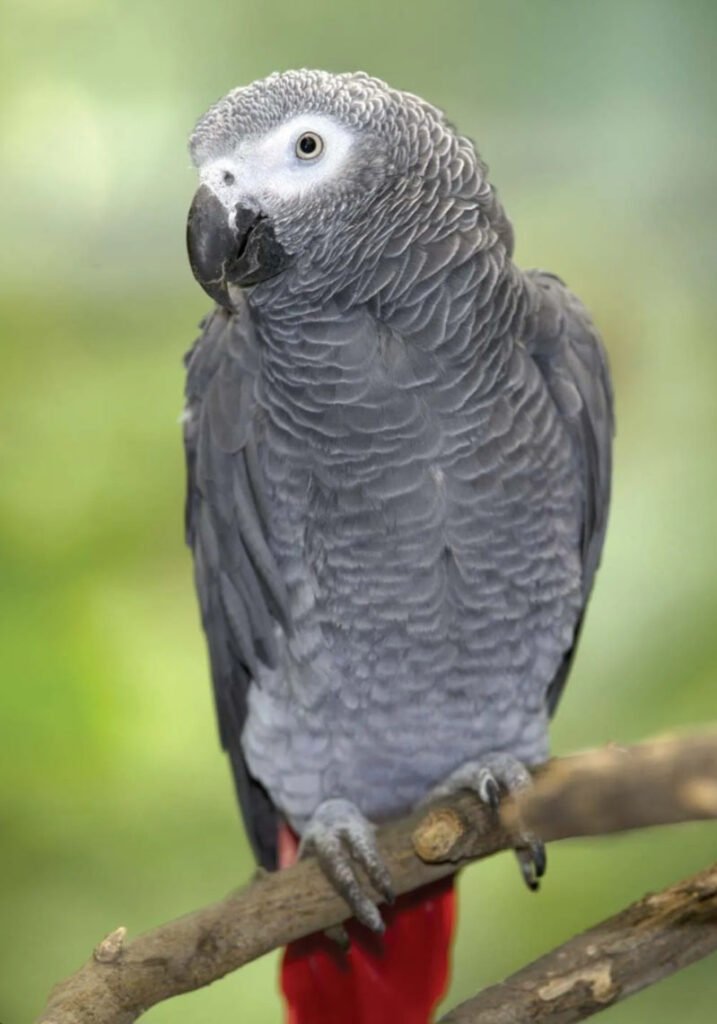
- Congo African Grey (Psittacus erithacus): Larger, with a light grey body, bright red tail feathers, and a black beak. This is the bird most people picture when they think of an African grey.
- Timneh African Grey (Psittacus timneh): Slightly smaller and darker charcoal grey, with a maroon tail and a bone-colored upper beak. Timnehs are often described as more laid-back and quicker to settle into new homes, though individual temperament varies wildly.
I’ve raised both, and I genuinely love each for different reasons. My Congo greys tend to be slightly more vocal and dramatic; my Timnehs are often steadier and less prone to phobic behaviors. But I’ve also met a Congo that was a total cuddlebug and a Timneh that would bite a stranger for looking at her wrong. Breed and species set the stage; individual personality writes the script.
African Grey Parrot Lifespan & The Long-Term Commitment
Let’s sit with this number for a minute: an African grey parrot can live 40 to 60 years, and I personally know of several that have passed the 70-year mark. If you’re 35 years old and you buy a weaned baby grey today, that bird could easily be with you into your 80s or 90s. It will almost certainly outlive your dog, your cat, and quite possibly your current career, marriage, or housing situation.
I’ve had tearful phone calls from the adult children of elderly grey owners who passed away, leaving behind a grieving parrot who had been bonded to one person for 40 years. I’ve helped rehome greys that went through three or four homes because nobody planned for the long haul. I’ve seen birds that plucked themselves bald from the stress of being shuffled around. These aren’t rare stories—they’re the reality of a species with an incredible lifespan and complex emotional needs.
One thing I always tell potential owners: before you type “African grey to buy” into a search engine, figure out who gets the bird in your will. I’m not joking. I have a succession plan for every permanent resident in my aviary. If you can’t name the person who would care for your grey if you couldn’t, you’re not ready yet.
Is an African Grey Parrot Right for You?
I’ve placed African greys into dozens of homes, and I’ve also refused dozens of sales. Here’s the filter I use, based on years of seeing what works and what ends in heartbreak.
The Pros (Why I Love Them)
- Unmatched intelligence and talking ability. A grey doesn’t just mimic—it communicates. Mine have picked up vocabulary I never intentionally taught, simply by listening. They use words in context, which never stops being amazing.
- Deep emotional bonding. When a grey trusts you, it’s profound. They want to be near you, interact with you, and be part of your daily rhythm. It’s not like owning a fish or a snake—it’s like having a feathered family member.
- Longevity. Once you’ve built that bond, you get to enjoy it for decades. I have a 25-year-old female who’s been with me since she was a baby, and our relationship is richer now than ever.
- They’re endlessly fascinating. You’ll never be bored. A grey is always learning, exploring, problem-solving. I’ve seen mine unscrew bolts on toys, open cage latches, and figure out how to call the dog over to steal a dropped treat.
The Cons (The Hard Truth)
- They are not low-maintenance pets. A grey needs hours of daily interaction, mental stimulation, and supervised out-of-cage time. You can’t just toss some seed in a bowl and ignore them. Ignored greys scream, pluck, bite, and develop severe behavioral problems.
- They bite, and it hurts. Even the sweetest grey can have a bad day, get startled, or misinterpret a movement. I’ve had bites that drew blood and left scars. It’s not if you’ll get bitten; it’s when.
- They’re messy. A grey produces a fine dust from their feathers and dander that coats everything within a few feet of the cage. They fling food, drop chewed wood, and redecorate their enclosure with poop. If you’re squeamish or a neat freak, a grey will drive you nuts.
- They’re loud. They’re not as ear-splitting as a cockatoo, but they can produce piercing whistles, shrieks, and perfectly amplified household sounds (phone rings, smoke alarm beeps, a doorbell that doesn’t exist). Apartment dwellers, consider yourselves warned.
- They need a lot of space. A proper cage setup for an African grey takes up significant real estate, and they also need safe, bird-proofed areas for flight and play.
- Vet care is expensive and specialized. You need an avian-certified vet. Emergency visits can run $500–$2,000 easily.
Who Should NOT Buy an African Grey Parrot
Please, please do not buy an African grey parrot if:
- You work long hours away from home and can’t commit to 4–6 hours of daily social time with your bird.
- You live in an apartment, condo, or shared housing where noise complaints are a concern.
- You have very young children who might grab, chase, or startle the bird.
- You’re looking for a “decorative” pet that stays in its cage.
- You’re squeamish about noise, mess, dust, or occasional painful bites.
- You’re unwilling to spend thousands on a proper cage, toys, high-quality food, and vet care.
- You think you’ll just “rehome it” if it doesn’t work out. Rehoming a bonded grey is psychologically devastating for the bird.
I’ve watched greys pluck every feather from their chest after being surrendered. I’ve seen them stop eating, start screaming constantly, or become aggressive to the point of being unhandleable. These birds feel loss and stress deeply. If you aren’t all in for life, do not start.
Cage & Housing Requirements
A cage is not a prison—it’s a sanctuary. I set up my greys’ living spaces with as much thought as I’d put into a nursery. An African grey needs room to spread its wings fully in every direction, climb, play, and retreat when it wants privacy.
Cage Size and Style
I recommend an absolute minimum of 36 inches wide × 24 inches deep × 48 inches tall, with bar spacing of ¾ inch to 1 inch. Larger is always better. I keep my personal Congo greys in cages that are 48×36×60 inches or larger, and they use every corner.
The cage should be made of safe, non-toxic materials—powder-coated stainless steel or high-quality wrought iron. Avoid cheap wire cages with flaking paint or zinc coatings; heavy metal toxicity is a killer in parrots. I also prefer a play-top cage with a flat, door-opening top that creates a perch area for out-of-cage hanging out.
Perches and Layout
I use a variety of perch diameters and materials to promote foot health:
- Natural wood perches (manzanita, dragonwood, eucalyptus) of varying thicknesses.
- Rope perches (supervised—I replace them if frayed to prevent crop impaction).
- Concrete or calcium perches placed strategically for nail and beak maintenance, but not as the primary sleeping perch.
- Perches should be positioned so the bird’s tail doesn’t drag in food or water bowls.
Toys and Enrichment
An African grey without toys is a recipe for feather destruction and neurosis. I rotate toys weekly. Types I use:
- Foraging toys (puzzles, boxes, treat-hiding contraptions).
- Shreddable toys (soft wood, cardboard, palm leaf, bird-safe paper).
- Manipulative toys (nuts and bolts, stacking rings, baby-safe puzzle toys).
- Acrylic and hard plastic toys for beak exercise.
I also provide a play stand or a portable perch in the main living area where the bird can hang out with the family during out-of-cage time.
Location in the Home
Place the cage in a socially active room—a living room or family room—but not in the direct path of constant traffic. The bird should feel like part of the flock without being overwhelmed. Avoid kitchens (cooking fumes, especially from non-stick pans, can kill a bird in minutes). Keep the cage away from drafty windows, air conditioning vents, and direct prolonged sun that could cause overheating.
Temperature and Humidity Targets
| Parameter | Target Range |
|---|---|
| Ambient temperature | 68–78°F (can tolerate brief dips and spikes) |
| Night temperature | No lower than 60–65°F without supplemental heat |
| Humidity | 50–65% (misting, humidifier, or bathing opportunities) |
| Light cycle | 10–12 hours darkness for sleep; use a cage cover or blackout curtains |
Diet & Nutrition
If I had a dollar for every African grey I’ve seen with nutritional deficiencies from an all-seed diet, I could retire. A seed-only diet is a one-way ticket to fatty liver disease, vitamin A deficiency, and a shortened lifespan.
What I Feed My African Grey Parrots
- High-quality formulated pellets (60–70% of diet): I use a reputable brand like Harrison’s, Roudybush, or TOP’s. Pellets ensure a balanced intake of vitamins and minerals that a seed mix cannot provide.
- Fresh vegetables (20–25%): Dark leafy greens (kale, collard, dandelion, chard), carrots, broccoli, bell peppers, sweet potato (cooked), pumpkin, snap peas, green beans. I chop a big batch of “chop” every week and freeze portions.
- Limited fruit (5–10%): Berries, apple (no seeds), papaya, mango, banana in moderation. Fruit is high in sugar; I treat it as a treat, not a staple.
- Healthy seeds, nuts, and grains (5% or less): Almonds, walnuts, pistachios (unsalted), cooked quinoa, brown rice, millet spray for training rewards. I use nuts as high-value treats for training and bonding.
- Calcium source: Cuttlebone, mineral block, or calcium powder lightly sprinkled on food 1–2 times weekly for breeding or growing birds.
Toxic Foods (Never Feed These)
- Avocado (fatal)
- Chocolate
- Caffeine
- Alcohol
- Onions and garlic
- Apple seeds and fruit pits (cyanide)
- High-salt, high-sugar, or fried human foods
- Non-stick cookware fumes (not a food, but it kills birds—PTFE/Teflon toxicity)
Feeding Schedule
I offer fresh food in the morning and remove wet, perishable food after 2–3 hours to prevent bacterial growth. Pellets are available throughout the day in a clean bowl. Fresh water is changed at least twice daily.
Health, Common Problems & Vet Care
African grey parrots are stoic—they hide illness until it’s advanced. I watch my birds like a hawk for subtle changes.
Common Health Issues I’ve Dealt With
- Feather destructive behavior (plucking): This is the number one reason I’ve seen in rescue greys. Causes range from medical (skin infections, allergies, heavy metal toxicity) to psychological (boredom, stress, lack of attention, sexual frustration). It’s complex and often requires an avian vet, behaviorist, and a complete husbandry review.
- Respiratory infections: Signs include tail bobbing, open-mouth breathing, nasal discharge, voice change. I’ve treated a sinus infection in a Timneh with antibiotics and nebulization under vet guidance. Dust and poor ventilation are often the culprits, which is why I use air purifiers in the bird room.
- Aspergillosis: A fungal respiratory disease from damp, moldy environments. Prevent with clean cages, dry food, and good air quality.
- Calcium deficiency / hypocalcemia: Can cause seizures, especially in African greys. I ensure adequate dietary calcium, UVB lighting (full-spectrum bird light), and a regular light cycle. African greys are prone to hypocalcemia more than some other parrots.
- Beak and feather disease (PBFD): Deadly viral disease. I test all new additions. I don’t buy from sources that don’t test.
- Heavy metal toxicity (zinc, lead): From chewing on galvanized wire, weights, costume jewelry, or painted objects. I’ve seen a grey that almost died from nibbling on an old stained-glass lamp. Test your home for accessible metal hazards.
Annual Vet Care
I schedule an annual avian vet visit with a full blood panel, fecal, and physical. That costs me $200–$400 per bird. Emergency visits run higher. You must locate an avian-certified veterinarian before you need one.
Behavior, Intelligence & Talking Ability
Living with an African grey is like living with a very smart, very opinionated three-year-old who never grows up. They have distinct moods, preferences, and a surprising sense of fairness. I’ve had greys that would hold a grudge for days if I accidentally startled them, and others that would sulk if I paid attention to another bird.
Talking and Mimicry
An African grey parrot can learn hundreds of words and sounds. My oldest Congo has a vocabulary of well over 200 words, and she strings phrases together in ways that suggest genuine understanding. She’ll say “want dinner” when she’s hungry, “goodnight” when the lights dim, and “step up” when she wants my hand. She’s also learned to mimic the smoke detector low-battery chirp—a sound that haunts my dreams—and the unmistakable sound of a zipper opening.
Not every grey talks. Some are shy, some prefer whistles and household sounds. I always tell potential buyers: don’t buy an African grey for its talking ability. Buy it for the relationship. If talking comes, it’s a bonus.
Body Language and Biting
Learning to read your grey is essential. Tail fanning, pinned eyes, ruffled feathers, or a low crouched stance are warnings. I’ve been bitten hardest when I ignored clear signals. Respect the bird’s boundaries, build trust slowly, and use positive reinforcement—never punishment.
Full Cost Breakdown (2026)
When someone types “African grey to buy” into their phone, I want them to know what they’re actually signing up for financially.
Initial Purchase or Adoption
| Source | Cost Range |
|---|---|
| Reputable breeder (weaned baby, health-tested) | $2,500–$5,000+ |
| Pet store (often unweaned, questionable sourcing) | $1,800–$3,500 (not recommended) |
| Avian rescue / rehome | $500–$1,200 (adoption fee) |
| Well-started adult from ethical breeder | $2,000–$4,000 |
Initial Setup Costs
| Item | Cost Range |
|---|---|
| Large parrot cage (48×36×60 or similar) | $600–$1,500+ |
| Perches, toys, foraging items | $150–$300 |
| Food and water bowls, cage liner | $30–$60 |
| Travel carrier | $50–$150 |
| Air purifier (HEPA, bird-safe) | $150–$400 |
| Play stand / gym | $100–$300 |
| Total setup | $1,080–$2,710 |
Annual Ongoing Costs
| Expense | Annual Estimate |
|---|---|
| High-quality pellets and fresh food | $500–$900 |
| Toys and enrichment (constant destruction) | $300–$600 |
| Veterinary (wellness, blood work, emergency fund) | $400–$1,500+ |
| Replacement perches, cage accessories | $100–$200 |
| Electricity (air purifier, lighting) | $100–$200 |
| Total annual cost | $1,400–$3,400+ |
An African grey parrot is not a budget pet. Over a 50-year lifespan, you could easily spend $100,000 or more on care.
Where to Buy an African Grey Parrot for Sale: Ethical Sourcing
Now we come to the part that directly addresses someone searching “African grey parrot for sale.” I’m going to give you the same talk I give everyone who contacts me about purchasing a baby.
Reputable Breeders (The Best Option)
A good breeder is your safest path to a healthy, well-socialized baby. Look for breeders who:
- Allow visits (or video tours) to see the aviary conditions.
- Provide health certificates, disease testing (PBFD, polyoma, chlamydia), and a written health guarantee.
- Wean babies fully onto pellets and fresh foods, not force-weaned early.
- Raise babies in a stimulating, social environment—not isolated bins.
- Ask you questions about your experience, setup, and long-term plan. I don’t sell to someone who can’t answer those.
- Are transparent about parent stock, genetics, and any history of health issues.
When searching for an African grey to buy, avoid classified ads that seem too cheap, breeder mill operations, and anyone who can’t tell you the exact hatch date. I’ve cleaned up the mess from those sources too many times.
Rescues and Rehoming
I’m a massive advocate for rescue adoption when it’s the right fit. A rescue grey can be an incredible companion, but it requires patience. Many come with trauma, feather damage, or behavioral quirks. If you go this route, be honest about your experience level and expectations. The adoption fee usually covers vetting and a basic assessment. Some of my most rewarding relationships have been with rescue greys that just needed stability and love.
Pet Stores and Online Marketplaces (Use Extreme Caution)
I’ll be blunt: most pet store African greys come from large-scale breeding operations where babies are pulled from parents early, hand-raised in assembly-line conditions, and shipped to stores before they’re emotionally ready. I’ve seen unweaned babies sold as “weaned” to new owners who didn’t know how to hand-feed. Those birds frequently develop health and behavioral issues. If you must buy from a store, demand proof of origin, health testing, and weaning status. But honestly? I’d rather you didn’t.
Conservation Status & Ethical Considerations
African grey parrots are listed as Endangered by the IUCN. Wild populations have been devastated by habitat loss and the illegal pet trade. It’s estimated that a huge percentage of wild-caught birds die before ever reaching a buyer. The international trade of wild-caught African greys is now prohibited under CITES Appendix I, but illegal trafficking continues.
As a breeder, I’m deeply aware that every captive-bred baby I produce should contribute to reducing demand for wild-caught birds. I support ethical breeding, habitat conservation groups, and responsible ownership. When you buy from a reputable captive breeder, you’re making a choice that supports conservation rather than exploitation.
Frequently Asked Questions
Q: How much does an African grey parrot cost in 2026?
From a reputable breeder, expect $2,500–$5,000 for a weaned, health-tested baby. Rescues charge $500–$1,200.
Q: Where can I find an African grey parrot for sale ethically?
Through a reputable breeder with health testing and transparency, or through an avian rescue organization. Avoid unverified online sellers and pet stores with unknown sourcing.
Q: How long do African grey parrots live?
40–60 years is typical in captivity; some live past 70.
Q: Do African greys talk?
They are among the best mimics in the parrot world. Many learn extensive vocabularies, but there’s no guarantee any individual bird will talk.
Q: What size cage does an African grey need?
Minimum 36×24×48 inches, but larger is better. Horizontal space is more important than height for flight and movement.
Q: Can an African grey live with other birds?
They can coexist with other birds in the same household with separate cages and supervised out-of-cage time, but greys can be territorial and individual personalities vary.
Q: Are African grey parrots loud?
Yes, they can produce loud calls, shrieks, and mimicked sounds. They’re not suited for apartments.
Q: Do African grey parrots need a companion?
They bond deeply with their human flock but don’t need another grey. If you get two, house them separately unless they’re a bonded pair.
Q: What’s the difference between a Congo and a Timneh African grey?
Congos are larger, light grey with bright red tails. Timnehs are slightly smaller, darker grey with maroon tails and a horn-colored beak. Timnehs often mature faster and are considered a bit steadier.
Final Thoughts
If you’ve read this far, I hope you feel a bit sobered. I hope the scale of the commitment has landed. An African grey parrot is not a purchase—it’s a promise. A promise to provide companionship, veterinary care, mental stimulation, and emotional safety to a creature that will be with you for the rest of your life, and possibly beyond. It’s a creature that will make you laugh until your sides hurt, drive you crazy with perfectly timed smoke alarm impressions, and break your heart with its vulnerability.
I’ve never regretted a single grey I’ve brought into my family, but I have regretted every single one I sold to someone I had doubts about. When you search for an African grey to buy, do it with full knowledge of the weight you’re picking up. Meet breeders, visit rescues, ask questions, and don’t rush. The right bird will find you, and when it does, you’ll understand why so many of us give our lives over to these feathered masterpieces.